
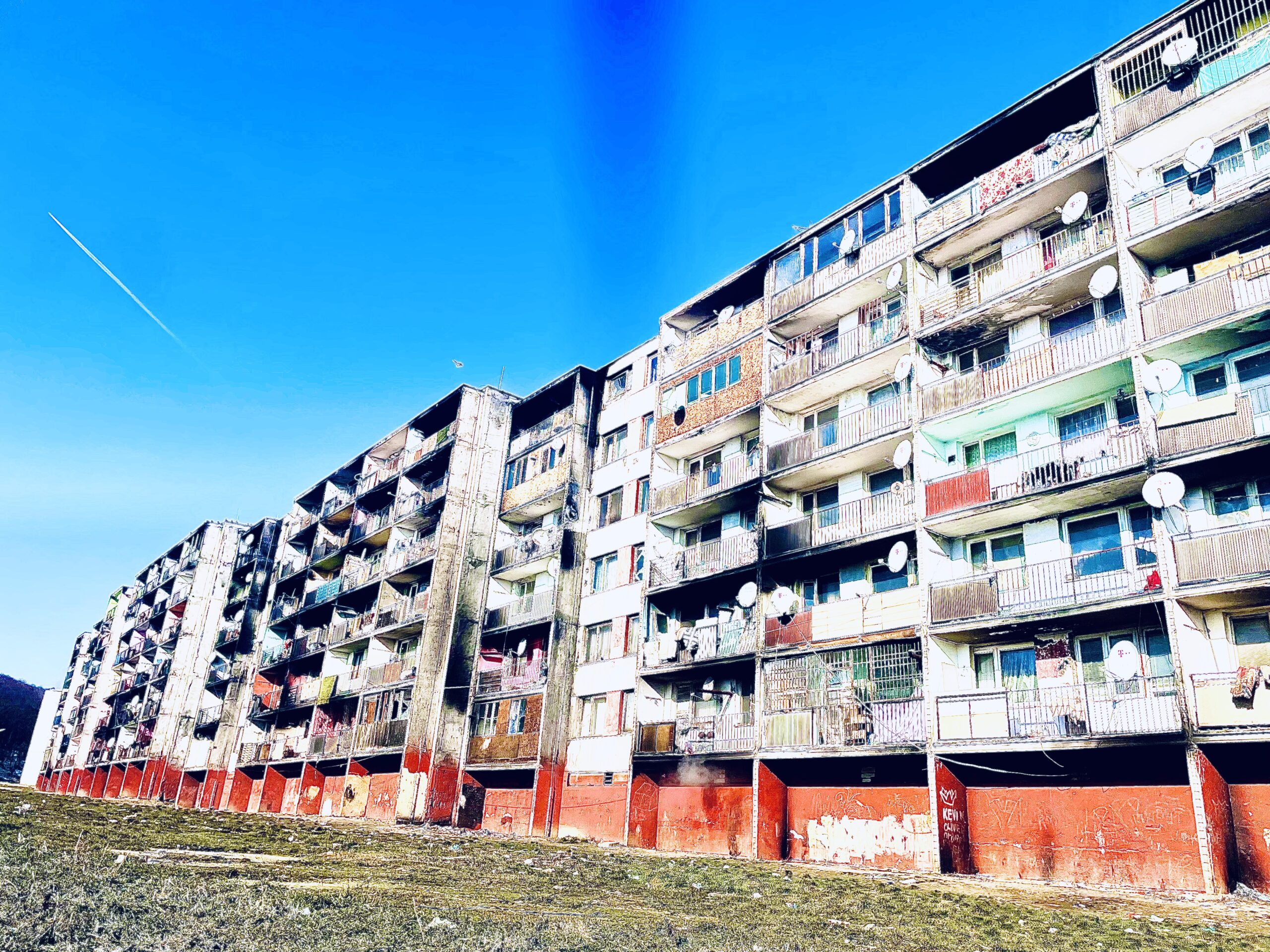
RESDI is pleased to announce that it has been awarded a new grant under the 8th EUKI Call for Project Ideas (2024) for the project titled: “Empowering Roma Communities in the Green Deal”.
Funded by the European Climate Initiative (EUKI), this two-year initiative supports Roma communities in Slovakia and Hungary to actively engage in sustainable development processes and environmental justice efforts. The project runs from December 2024 to November 2026.
Aims and Objectives
Roma communities are among the most affected by climate and energy challenges, yet they remain underrepresented in the design and implementation of sustainability policies. This project aims to bridge that gap by creating inclusive, locally driven pathways toward participation in the green transition.
Key objectives include:
- Developing Local Sustainable Development Strategies in six pilot localities
- Providing technical assistance, including pilot energy audits for social housing
- Establishing community-based social enterprises rooted in circular economy principles
- Introducing environmental education curricula in cooperation with local schools
- Launching a Roma Aarhus Platform to support advocacy, capacity-building, and long-term impact
RESDI’s Role in Slovakia
RESDI will coordinate the project’s activities in Slovakia and lead the development of participatory models for planning, implementation, and evaluation. Working closely with local Roma communities, municipalities, and academic partners—especially Comenius University—RESDI will ensure that interventions are adapted to local realities and support tangible, lasting change.
Strategic Collaboration for Systemic Change
This initiative builds on RESDI’s broader mission to promote inclusive climate action and environmental justice for marginalized groups. By bringing together municipalities, civil society, educators, and affected communities, the project creates space for meaningful participation and replicable solutions across Central Europe.
Stay tuned as we share updates, tools, and lessons learned from this important work—designed to make the green transition more just, equitable, and inclusive for all.